Augustus Pablo: The Melodica Mystic of Reggae
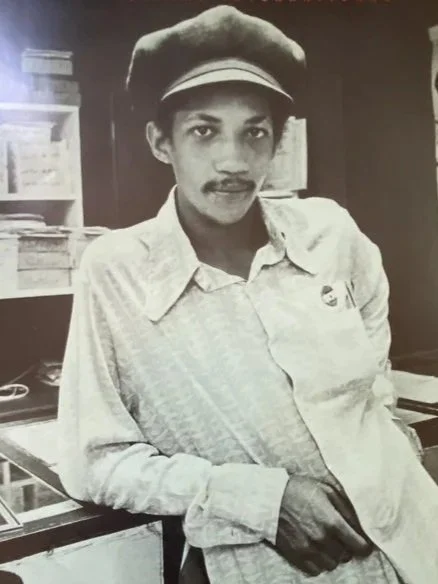
Augustus Pablo: The Melodica Mystic of Reggae
In the vast landscape of Jamaican music, few figures have reshaped the sonic possibilities of reggae as profoundly as Augustus Pablo. Born Horace Swaby, Pablo transformed an unlikely instrument—the melodica—into one of the most evocative voices in modern music. His work not only defined a distinctive strain of roots reggae and dub but also helped elevate the genre into a meditative, album-oriented art form.
The Instrument That Changed Everything
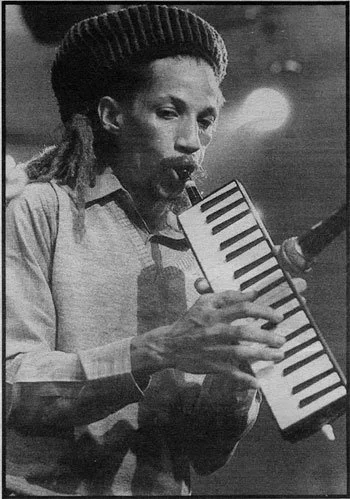
The melodica, a small, handheld keyboard powered by breath, was originally marketed in the 1950s as an educational tool. By the 1960s, it had appeared in unexpected places, from avant‑garde experiments like Steve Reich’s Melodica to fleeting pop usages by the Bee Gees. Yet these early appearances hinted only faintly at what the instrument could become.
That transformation came when a young Jamaican schoolboy, Horace Swaby, borrowed a melodica from a friend. Captivated by its ghostly tone, he began to explore its expressive possibilities. What had been a classroom curiosity soon became his signature voice—haunting, melancholic, and unmistakably his own.
From Kingston Schoolboy to Augustus Pablo
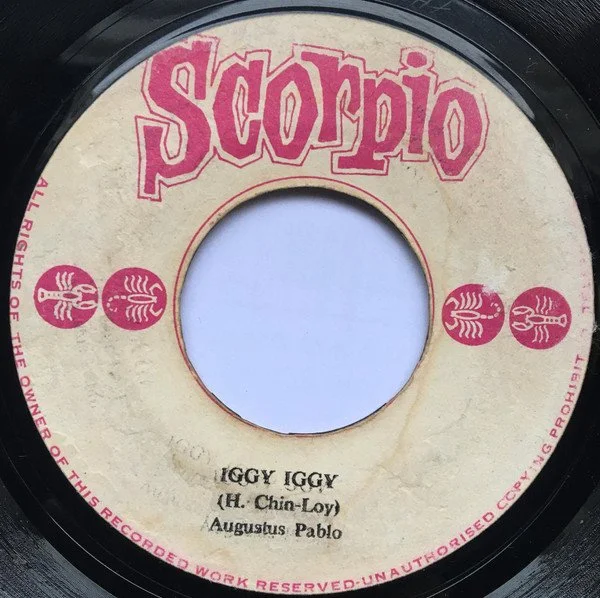
Swaby’s path into music was shaped by both privilege and curiosity. Raised in a middle‑class family, he attended Kingston College, where he developed his keyboard skills alongside future luminaries like Tyrone Downie. His breakthrough came in 1969 at Herman Chin‑Loy’s Aquarius record shop. Asked to demonstrate his playing, Swaby impressed Chin‑Loy enough to secure studio time that very week.
The result was his debut recording, “Iggy Iggy,” and with it, the birth of a persona: Augustus Pablo. The name, initially a label invention used for various session players, became inseparable from Swaby’s identity and artistic vision.
Inventing the “Far East Sound”
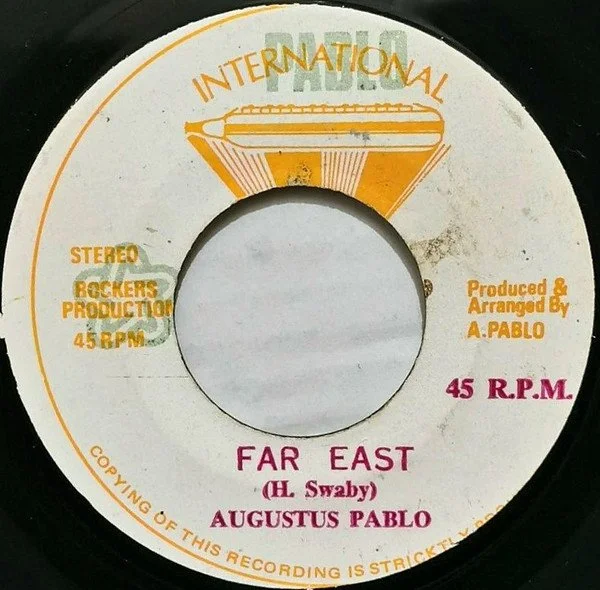
To understand Pablo’s innovation, one must look back to trombonist Don Drummond of The Skatalites. Drummond’s minor‑key compositions introduced a melancholic, modal quality into ska, laying the emotional groundwork for later developments. This lineage, described artfully by Edward George in his Strangeness of Dub series as a “throughline” in Jamaican music, connects Drummond’s work to Pablo’s and beyond.
By the early 1970s, Pablo had reimagined these ideas within reggae’s slower rhythms. The result was the “Far East Sound”—a style defined by eerie melodies, spacious arrangements, and an almost mystical sense of atmosphere. The melodica became its lead voice, floating above deep basslines and skeletal rhythms.
Importantly, this sound was collaborative. Producers such as Clive Chin, Leonard Chin, and Herman Chin‑Loy played crucial roles in shaping its texture, while dub pioneer King Tubby later expanded it into new dimensions through studio experimentation.
Breakthroughs and Early Classics
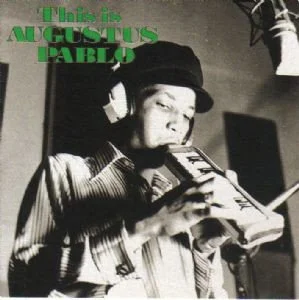
Pablo’s early recordings quickly established his reputation. Tracks like “East of the River Nile” and “Java” showcased his ability to fuse simple melodic phrases with hypnotic grooves. “Java,” in particular, became a landmark instrumental, earning recognition as one of Jamaica’s top recordings of 1972.
Through his own labels—Hot Stuff and Rockers—Pablo developed a prolific output, balancing roles as instrumentalist, producer, and curator. His music combined accessibility with depth: melodies that were immediately memorable, yet layered with emotional and spiritual resonance.
Dub Alchemy with King Tubby
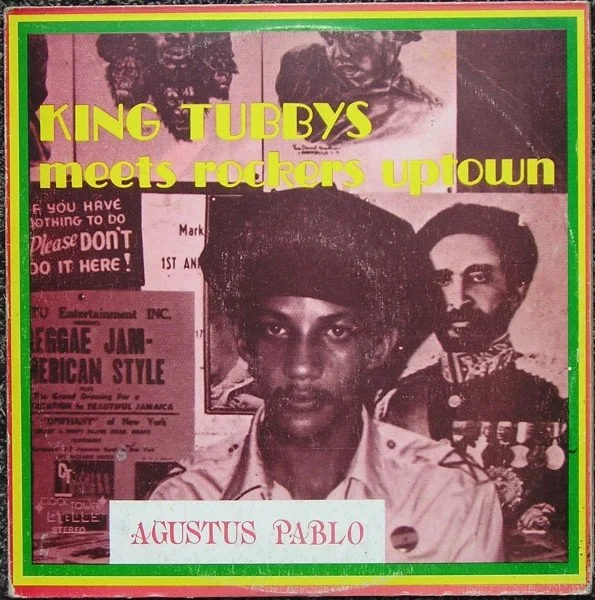
Perhaps the most celebrated phase of Pablo’s career came through his collaboration with King Tubby. Introducing Pablo’s recordings into Tubby’s Waterhouse studio unleashed a new dimension of sound. These were not mere remixes but radical transformations—echo‑laden, spatially expansive, and almost cinematic in scope.
The album King Tubby Meets Rockers Uptown stands as a defining statement of dub. Its title track, widely played in the UK during the late 1970s, introduced many listeners—especially outside Jamaica—to the possibilities of dub music. Through figures like Don Letts and John Lydon, Pablo’s work even intersected with the emerging punk scene, illustrating its cross‑cultural impact.
Collaborations and Vocal Works
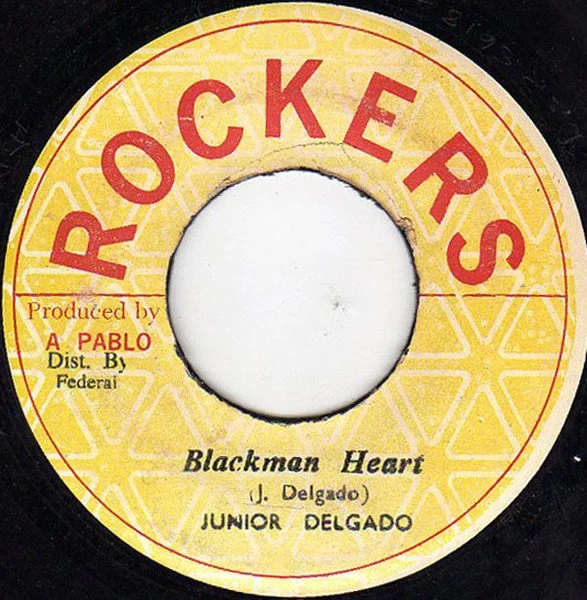
Though often celebrated as an instrumentalist, Pablo was equally significant as a collaborator. He worked with a range of vocalists whose performances were elevated by his richly textured backings.
Artists like Paul Whiteman and Junior Delgado brought soulful, introspective vocals to Pablo’s meditative instrumentals. Delgado’s “Blackman Heart Cries Out,” for instance, exemplifies the emotional synergy between voice and Pablo’s evolving soundscape.
Another key partnership was with Hugh Mundell, whose recordings with Pablo captured a raw, almost pastoral essence of reggae. Their acoustic sessions, set against the natural backdrop of Jamaica’s hills, reveal reggae at its most elemental—closer to folk music than studio production. Sadly they were never properly recorded but are captured beautifully in this rare footage.
Similarly, Pablo’s long‑standing collaboration with Yabby You reflected a shared spiritual commitment, blending Rastafarian themes with deeply personal interpretations of faith.
Expanding the Sonic Palette
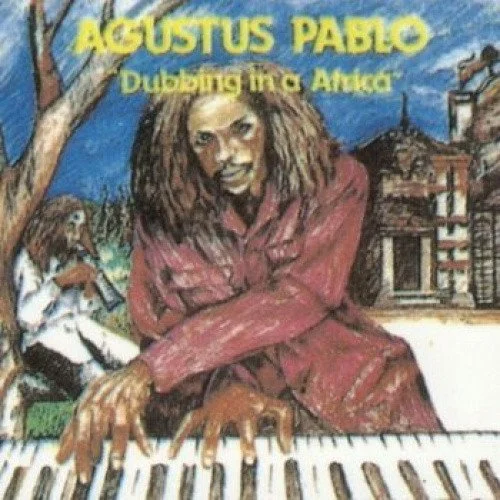
Despite his association with acoustic instruments, Pablo was not resistant to innovation. By the late 1970s, he began incorporating electronic textures, such as the ARP String Ensemble, into his recordings. This willingness to adapt ensured that his music evolved alongside changing production techniques while retaining its distinctive character.
Influence and Legacy
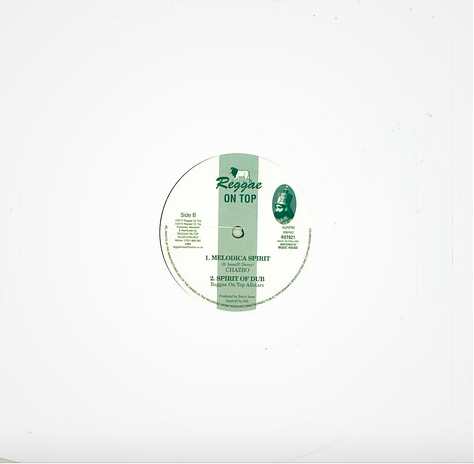
Pablo’s influence stretches far beyond his own recordings. His approach to melody, space, and atmosphere informed later developments in dub and steppers. Artists like the Bush Chemists with their melodica wielding Chazbo Gong and Hughie Izachaar carried forward his melodica‑led sound into the 1990s, while contemporary musicians continue to draw inspiration from his work.
in a more indirect way I have noted Pablo’s influence as appearing in the work of other musicans and producers operating outside of the reggae world. Derek Walmsley’s excellent recent Augustus Pablo Primer for the Wire introduced Pablo’s music as being thematically united by its otherworldliness. This quality can be found in the electronic works of artists like Cornishman Andy Mac and Newport’s Will Memotone both of whom merge acoustic and electronic instruments and create scenic and atmospheric pieces that are strongly Pablo-esque.
Even his family legacy remains active: his son Addis Pablo has emerged as a respected melodica player, consciously honoring and extending his father’s tradition.
Final Years and Enduring Impact
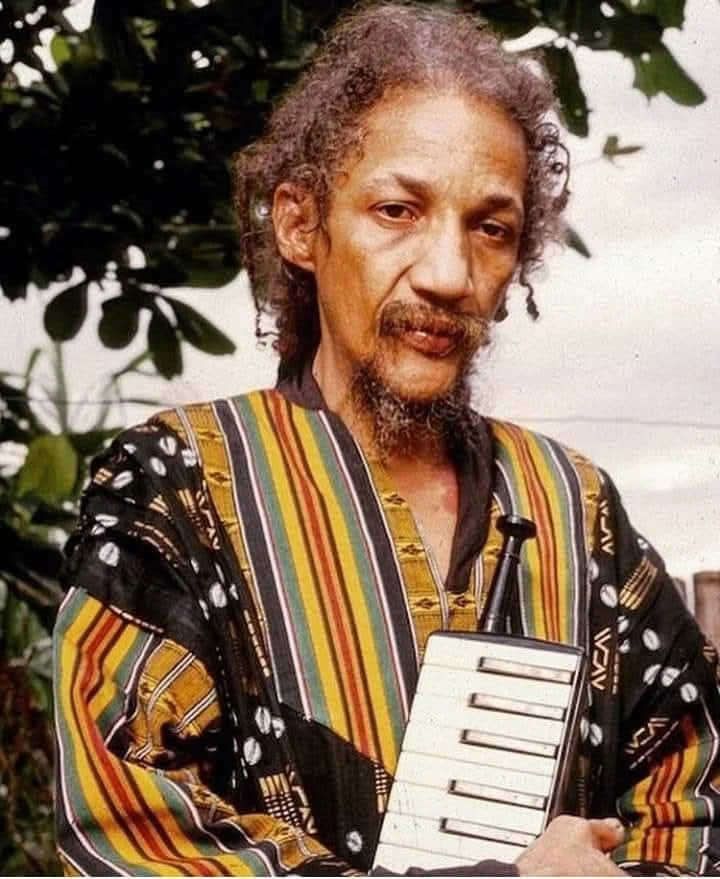
In the late 1990s, despite declining health, Pablo continued to explore new collaborations, including work with Primal Scream—an indication of his openness to cross‑genre experimentation. His death on May 18, 1999, marked the end of a remarkable life, but not the end of his influence.
More than a virtuoso, Augustus Pablo was a visionary. He redefined what reggae could be—not just dance music, but contemplative, layered, and album‑driven. His melodies, often simple yet deeply affecting, transformed heavy bass and rhythm into something transcendent.
Today, the melodica’s presence across genres—from Gorillaz to experimental jazz—stands as a testament to his legacy. Through it all, Pablo remains a quiet revolutionary: an artist who, with breath and keys, created a sound that still feels like it drifts in from another world.
SPICE ROUTE, MAY 2026
FURTHER READING / LISTENING
https://www.chinadaily.com.cn/cndy/2008-06/24/content_6788628.htm
A great article written by supreme reggae historian David Katz that chronicles the role of Chinese-Jamaican’s within reggae. Unfortunately part of the article is behind a paywall.
https://noodsradio.com/shows/an-hour-for-augustus-pablo-w-spice-route-18th-may-26
My hour long audio documentary on AP, in the Noods archive. Lots of me talking spliced with music from Pablo’s back catalogue plus influences and music from those influenced by Pablo.
https://www.youtube.com/watch?v=f2Vrux4xlKM
The Rootsman conducts a really solid interview with Pablo back in the early 90s.